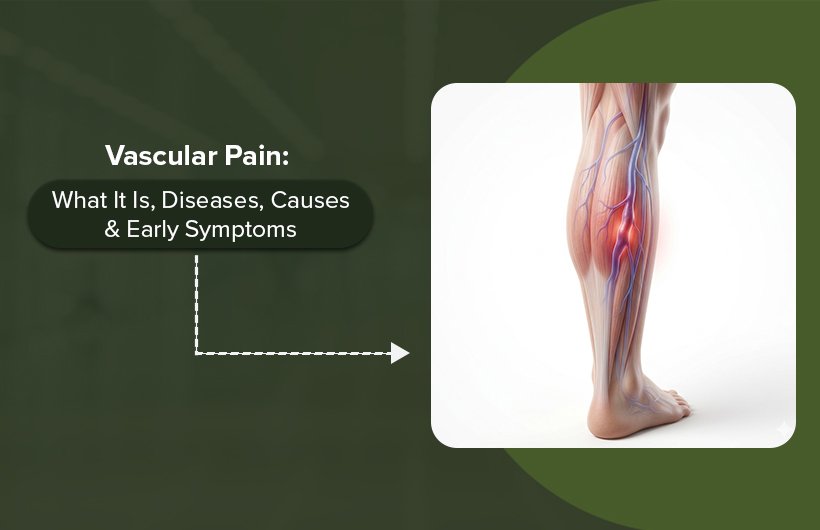
Living with persistent aching or a sense of heaviness in your limbs isn’t something you should simply attribute to ageing or fatigue. These symptoms can often point to underlying issues within your circulatory system that need timely attention. At a Pain Management Clinic in Ahmedabad, specialists focus on identifying the root cause of such discomfort, particularly when it stems from vascular conditions. By understanding vascular pain early, you can take meaningful steps toward restoring mobility, improving daily comfort, and reducing the risk of long-term health complications.
What is Vascular Pain?
Vascular pain is a specific type of discomfort that occurs when there is an interruption or abnormality in blood flow. Unlike musculoskeletal pain, which stems from bones, muscles, or ligaments, vascular pain is caused by issues within the arteries or veins.
When your tissues don’t receive enough oxygenated blood (ischemia) or when blood pools in the extremities due to poor venous return, the body signals distress through pain, cramping, or a feeling of intense pressure.
Common Vascular Pain Diseases
Vascular pain is often a primary symptom of underlying conditions that affect the blood vessels. Understanding these specific vascular pain diseases is essential for proper diagnosis:
Peripheral Artery Disease (PAD)
This occurs when plaque builds up in the arteries that carry blood to your legs, arms, and pelvis. It is a leading cause of leg pain during physical activity.
Chronic Venous Insufficiency (CVI)
When the valves in your leg veins don’t work effectively, it makes it difficult for blood to return to the heart from the legs, causing blood to “pool.”
Deep Vein Thrombosis (DVT)
A serious condition where a blood clot forms in a vein located deep inside the body, usually in the legs. This can cause intense pain and swelling.
Aneurysms
A bulge in the wall of an artery. If an aneurysm grows large, it can cause pain or even rupture, which is a medical emergency.
Raynaud’s Disease
A condition that causes some areas of the body—such as fingers and toes—to feel numb and cold in response to cold temperatures or stress.
Vasculitis
This involves inflammation of the blood vessels, which can cause the vessel walls to thicken and reduce the width of the passageway for blood flow.
Who is Most Likely to Experience Vascular Pain?
While anyone can develop circulatory issues, certain demographics and lifestyle factors increase the risk:
- Individuals over age 50: Natural wear on blood vessels occurs over time.
- Smokers: Tobacco use is one of the leading causes of arterial damage.
- People with Chronic Conditions: Those managing diabetes, hypertension (high blood pressure), or high cholesterol.
- Sedentary Lifestyles: Prolonged sitting or standing can lead to venous insufficiency.
Symptoms and Causes
The experience of vascular disease pain often depends on whether the arteries or the veins are affected.
What are the symptoms of vascular conditions?
- Claudication: Cramping or fatigue in the legs during exercise that disappears with rest.
- Numbness or Tingling: A “pins and needles” sensation in the hands or feet.
- Skin Changes: Discoloration (bluish or pale skin), coolness to the touch, or slow-healing sores.
- Swelling: Edema, particularly in the ankles and lower legs.
Cause of Vascular Pain
- Atherosclerosis: The buildup of plaque in the arteries, narrowing the path for blood.
- Peripheral Artery Disease (PAD): Reduced blood flow to the limbs.
- Deep Vein Thrombosis (DVT): A blood clot in a deep vein, which can be life-threatening.
- Varicose Veins: Weakened vein walls and valves that cause blood to pool.
Diagnosis and Tests
If you suspect vascular pain causes and symptoms are affecting your quality of life, a specialist will typically use non-invasive tests to evaluate your circulation:
- Ankle-Brachial Index (ABI): A comparison of blood pressure in your arm versus your ankle.
- Ultrasound: Using sound waves to visualize blood flow and identify blockages or clots.
- Angiography: Using a special dye and X-rays to see how blood flows through your arteries.
Management and Treatment
Vascular pain treatment is highly personalised and depends on the severity and underlying cause of the condition. Care plans are tailored to everyone, with options ranging from:
- Medication: Blood thinners, cholesterol-lowering drugs, or blood pressure medication.
- Minimally Invasive Procedures: Angioplasty (using a balloon to open a vessel) or stenting.
- Surgery: Bypass surgery to redirect blood flow around a clogged artery.
How Do You Relieve Vascular Pain?
For immediate, day-to-day relief, patients are often advised to:
- Elevate the legs: This helps blood flow back toward the heart in cases of venous insufficiency.
- Wear Compression Stockings: These apply gentle pressure to prevent swelling and pooling.
- Follow a Walking Program: Supervised exercise can help the body build “collateral circulation” (small new pathways for blood).
How Can I Reduce My Risk of Vascular Pain?
Prevention is the most effective “treatment.” You can protect your vascular health by:
- Quitting Smoking: This is the single most impactful change you can make.
- Managing Blood Sugar: High glucose levels damage the lining of the blood vessels.
- Healthy Diet: Prioritize fiber, lean proteins, and healthy fats while reducing sodium.
- Staying Active: Aim for at least 30 minutes of moderate movement daily.
What Questions Should I Ask My Doctor?
Your journey to recovery starts with finding quality pain management near you. To help you prepare for your visit, we’ve compiled a list of key questions to ask your specialist.
- Is my pain likely related to my arteries or my veins?
- What is my ABI score, and what does it mean for my future health?
- Are there lifestyle changes that can reverse my symptoms without surgery?
- What are the “red flag” symptoms that mean I should head to the emergency room?
A Note from Anamay Pain Clinic
At Anamay Pain Clinic, we recognize that vascular pain affects far more than just your body—it can limit your independence and quality of life. As a trusted Pain Management Specialist in Ahmedabad, our focus is on timely intervention and precise diagnostics to uncover the underlying cause of your discomfort. Whether you’re experiencing early signs of claudication or managing long-standing venous conditions, our personalized care is designed to restore both comfort and healthy circulation. Don’t let leg pain hold you back—take the first step toward better vascular health with expert guidance you can rely on.