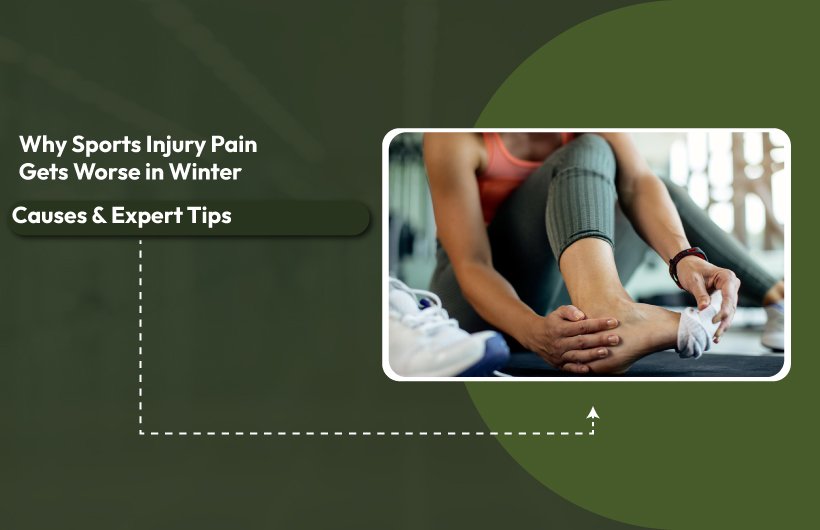
Winter brings a refreshing change in weather, but for many active individuals and athletes, it also increases the chances of pain, stiffness, and sports-related injuries. Whether you enjoy running, cycling, playing outdoor sports, or doing regular fitness activities, you may find your body becoming tighter and more injury prone as temperatures drop. This is because your muscles, tendons, and joints respond differently in colder conditions.
At our Pain Management Clinic in Ahmedabad, we see a noticeable rise in cases during winter patients often report joint pain, muscle strains, sprains, swelling, and slower recovery after workouts. Dr. Megha Shah and her team frequently guide patients on understanding why sports injuries worsen in winter and when timely medical attention becomes essential.
Why Does Sports Injury Pain Increase in Winter?
When winter arrives and temperatures begin to fall, the body experiences several physiological changes that can make old injuries flare up or increase the likelihood of new ones. Cold weather causes muscles to tighten, reduces joint flexibility, and slows blood circulation, which may intensify discomfort. Understanding these seasonal effects is essential for choosing the right Sports Injury Pain Treatment and staying safe during workouts or outdoor activities. By recognizing how your body reacts in colder months, you can take proactive steps to prevent injuries and manage existing pain more effectively.
1) Muscles Get Stiffer in Cold Weather
Cold temperature reduces blood flow to the muscles, which makes them tighter and less flexible. Stiff muscles are more likely to get strained or injured even during normal activities. This is one of the main reasons sports injury pains in winter become common.
2) Reduced Joint Lubrication
Winter reduces the natural lubrication inside your joints. This leads to:
- Pain
- Stiffness
- Difficulty in movement
- Higher chances of sprains
Patients with arthritis or old injuries often experience more discomfort in winter.
3) Delayed Healing
Cold weather can slow down the natural healing process. If you already have a sports injury, you might notice that swelling or pain takes longer to go away.
4) Incorrect Warm-up Habits
Many individuals exercise in winter without proper warm-up, which increases the chances of muscle tears or ligament injuries.
Dr. Megha Shah often advises that a complete warm-up is essential before any sports activity, especially when the temperature drops.
What Are the Common Winter Sports Injury Symptoms?
Many injuries become more noticeable in winter because the body reacts more sensitively to cold. Below are the most common winter sports injury symptoms to watch out for:
1) Muscle Pain and Tightness
Pain increases after physical activity is a common complaint. Muscle tightness is more severe in winter due to decreased flexibility.
2) Joint Pain and Swelling
Winter Joint Pain often affects areas like the knees, shoulders, and ankles the most. During colder weather, joints become stiffer, which can make even minor injuries feel more painful. As temperatures drop, reduced blood flow and muscle tightness can increase discomfort, especially in people with existing joint conditions.
3) Back Pain
Cold weather triggers muscle spasms and stiffness in the back. People with previous injuries often feel increased discomfort.
4) Sprains and Strains
Running, playing cricket, football, or even working out indoors may lead to sudden twisting injuries or overstretching.
5) Reduced Range of Motion
If you find it difficult to bend, stretch, or rotate your joints, it may indicate swelling or inflammation that needs attention.
6) Delayed Recovery
If an old injury takes more time to heal during winter, it is a sign that your body needs additional support and professional care.
These symptoms should not be ignored, as untreated injuries can worsen over time and may lead to chronic pain.
When Should You Consult a Pain Specialist for Winter Sports Injuries?
Many people keep exercising despite pain, assuming it will subside. But ignoring winter injuries can cause lasting damage. If symptoms persist, it’s time to See a Pain Management Specialist. Here are key situations when expert care is essential.
- When Pain Interferes with Daily Activities
If pain prevents you from walking, bending, lifting, exercising, or sleeping, it is time to get examined by a sports injury pain specialist.
- If Swelling or Bruising Gets Worse
Swelling that increases or does not reduce within 24–48 hours can indicate ligament tears, tendon injuries, or inflammation.
- When You Hear Pop or Snap
A popping sound during an injury often suggests:
- Ligament injury
- Muscle tear
- Joint instability
Immediate evaluation is necessary to prevent further damage.
- Persistent Pain for More than a Week
Long-lasting pain is not normal. Winter can make injuries seem minor, but untreated issues may turn into chronic conditions.
- If You Experience Numbness or Tingling
Nerve compression or spine-related issues become worse in winter. These symptoms should be checked immediately.
- When Home Remedies Stop Working
If rest, ice, or stretching does not improve your winter sports injury pain, medical treatment becomes essential.
- Repeated Injuries
Experiencing the same injury repeatedly during winter is a sign that your body needs expert assessment and strengthening.
How Can a Pain Specialist Help in Managing Winter Sports Injuries?
The role of a pain management specialist goes beyond prescribing medicines. Through proper diagnosis and advanced treatment, they help you recover safely and achieve long-term relief.
1) Accurate Diagnosis
Identifying the exact cause of pain is the first step. A specialist may check:
- Range of motion
- Injured tendons or ligaments
- Muscle strength
- Underlying joint conditions
2) Personalised Treatment Plan
Treatment may include:
- Physiotherapy
- Strengthening exercises
- Trigger point therapy
- Medication for inflammation
- Posture and movement correction
3) Prevention of Further Injury
A specialist helps you understand how to protect your muscles and joints during winter.
4) Long-Term Winter Pain Relief
Patients receive guidance for maintaining muscle flexibility, joint mobility, and overall fitness during cold weather.
How to Prevent Sports Injury Pain During Winter?
Here are simple steps to protect yourself:
✔ Warm Up Properly
Spend at least 10–15 minutes warming up before any physical activity.
✔ Wear Proper Layers
Warm clothing helps maintain muscle temperature.
✔ Stay Hydrated
Cold weather reduces your thirst, but dehydration increases injury risk.
✔ Avoid Overexertion
Do not push your body too hard, especially on cold mornings.
✔ Strength and Flexibility Training
Strong muscles and flexible joints reduce injury risk.
✔ Cool Down Post-Workout
Stretching after exercise is equally important.
Following these steps can help provide effective winter pain relief for injuries and keep you active throughout the season.
Conclusion
Winter can heighten the chances of sports injuries, but with proper precautions and expert medical advice, you can stay active and avoid unnecessary pain. If you notice ongoing discomfort, swelling, stiffness, or restricted movement during the colder months, it’s important not to overlook these symptoms. Early evaluation by a professional help ensure faster recovery and long-term joint and muscle protection.
At Anamay Pain Clinic, Dr. Megha Shah a trusted Pain Management Specialist in Ahmedabad offers comprehensive care to help patients manage sports injuries, relieve chronic pain, and maintain an active lifestyle even in winter.