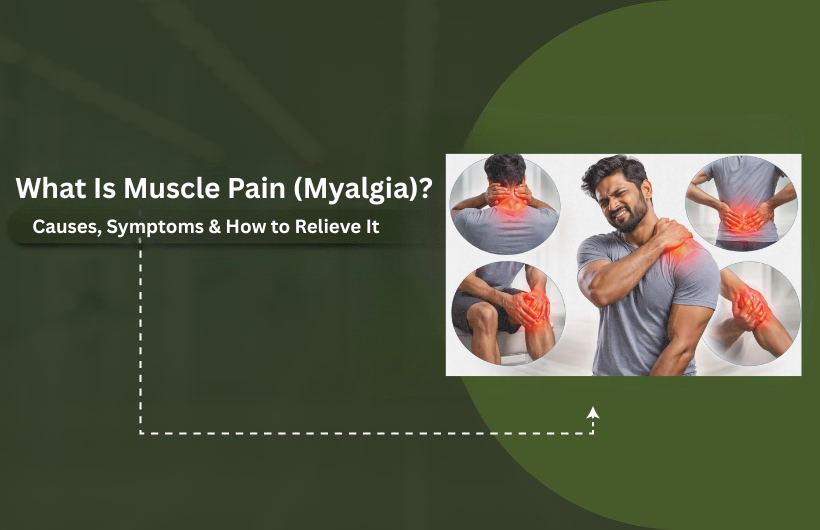
Muscle pain, medically known as myalgia, is a common condition that affects people of all ages. It can occur after an intense workout, long hours of poor posture, physical strain, stress, or even due to certain illnesses. While some muscle pain may be mild and temporary, in many cases it can become severe and interfere with daily activities, work performance, and overall quality of life. Understanding the root cause of muscle pain is essential for receiving the right treatment and preventing long-term discomfort.
Choosing the right Pain Management Clinic in Ahmedabad is important to ensure proper diagnosis and long-term relief rather than temporary symptom control. At Anamay Pain Clinic, we regularly treat patients who struggle with persistent and recurring muscle pain. Our approach focuses on accurate diagnosis, personalized treatment plans, and sustainable pain relief.
According to Dr. Megha Shah, identifying the underlying cause of muscle pain is the first and most important step toward effective recovery. In this blog, we will explain what muscle pain (myalgia) is, its common causes and symptoms, and the most effective treatment options to help you return to a pain-free and comfortable life.
What Is Muscle Pain (Myalgia)?
The human body is made up of different Types of Muscles in the Human Body, each playing an important role in movement and overall function. These muscles help us walk, lift objects, breathe, and even pump blood throughout the body. However, muscles can sometimes become painful due to various reasons.
Muscle pain, also known as myalgia, refers to soreness, tenderness, or aching in one or more muscles. It is not a disease itself but a symptom of an underlying issue such as physical strain, injury, infection, stress, or certain medical conditions.
Muscle pain can occur in any part of the body. However, it is most experienced in the arms, legs, neck, and back. The intensity and nature of the pain can vary from person to person. Some individuals describe it as a dull, constant ache, while others may experience sharp, stabbing, or throbbing sensations.
What Causes Muscle Pain?
Understanding muscle pain causes and symptoms can help you identify why you might be feeling discomfort.
1) Overuse or Physical Strain
One of the most frequent causes of myalgia is overworking your muscles. This can happen after:
- Exercising too intensely or using muscles that aren’t accustomed to activity
- Lifting heavy objects
- Repetitive movements over long periods
This kind of muscle pain is often delayed and may appear many hours after the activity.
2) Injury or Trauma
Muscle strains, tears, or blunt injuries from falls or accidents can cause immediate and intense muscle pain. Injuries often result in swelling, bruising, and limited movement.
3) Poor Posture
Sitting or standing in a poor position for long hours, like hunching over a laptop or slouching, can put stress on muscles, especially in the neck and back. Over time, this leads to muscle fatigue and pain.
4) Infections
Sometimes, viral or bacterial infections can cause widespread muscle pain. Examples include flu, COVID-19, dengue, and other systemic infections. You may feel muscle pain along with fever and fatigue.
5) Autoimmune Conditions
Certain autoimmune disorders, like lupus or polymyositis, cause inflammation in muscles, resulting in chronic pain and weakness.
6) Fibromyalgia
Fibromyalgia is a long-term condition that causes widespread muscle pain and tenderness, often accompanied by fatigue, sleep problems, and mood issues.
7) Medication Side Effects
Some medicines, especially cholesterol-lowering drugs called statins, can cause myalgia in some people.
What Are the Common Signs and Symptoms of Muscle Pain?
While each case of myalgia can be presented differently, some common muscle pain symptoms include:
- Aches and soreness in one or more muscles
- Stiffness and reduced range of motion
- Tenderness to touch
- Muscle cramps or spasms
- Weakness or fatigue in affected muscles
- Pain that worsens with movement
The onset can be sudden (acute) or slow and persistent (chronic), depending on the cause.
When Should You Worry About Muscle Pain?
Most muscle pain goes away on its own in a few days, especially if it’s due to exercise or minor strain. However, it’s important to seek medical advice if:
- The pain is severe or persistent
- You have swelling, redness, or warmth
- Muscle pain is accompanied by fever
- You notice weaknesses or difficulty moving
- Pain does not improve with rest and basic care
At Anamay Pain Clinic, we carefully evaluate your symptoms to determine whether there’s an underlying condition that requires targeted treatment.
How to Relieve Muscle Pain (Myalgia Pain Relief)
The good news is that many cases of muscle pain can be treated effectively with conservative approaches. Below are some of the commonly recommended strategies for Muscle pain relief.
1) Rest and Activity Modification
If your muscle pain is due to overuse or strain, giving your body a break is crucial. Avoid activities that worsen your pain and slowly return to normal movement as the pain improves.
2) Cold and Heat Therapy
- Cold packs help reduce inflammation and pain in the first 24–48 hours after an injury.
- Heat therapy (like warm compresses or baths) relaxes tight muscles and improves blood flow after the initial inflammation subsides.
3) Stretching and Gentle Movement
Light stretching of the affected muscles can reduce stiffness and improve flexibility. Gentle movement also promotes circulation, which helps healing.
4) Over-the-Counter Pain Relievers
Medicines like acetaminophen or anti-inflammatory drugs (as advised by your doctor) can help manage pain and inflammation. Always take medication under medical guidance, especially if you have other health conditions.
5) Professional Physical Therapy
A structured physical therapy program can strengthen weak muscles, correct posture issues, and prevent future pain episodes. Our team, guided by specialists like Dr. Megha Shah, designs personalised exercise plans that target your specific pain points.
6) Advanced Pain Relief Treatments
For chronic or severe muscle pain that doesn’t respond to basic care, interventional treatments like nerve blocks, trigger point injections, and therapeutic ultrasound can be very effective. At Anamay Pain Clinic, we offer these advanced options when needed, after a thorough evaluation.
Lifestyle Tips for Long-Term Relief
Preventing muscle pain is just as important as treating it. Here are some lifestyle changes that can help reduce episodes of myalgia:
- Stay Active: Regular exercise boosts muscle strength and flexibility. Include warm-up and cool-down routines.
- Maintain Good Posture: Proper posture reduces strain on your muscles, especially if you sit for long hours.
- Stay Hydrated: Dehydration can contribute to muscle cramps and fatigue.
- Balanced Diet: Adequate nutrition, including vitamins and minerals like magnesium, supports muscle health.
- Manage Stress: Stress can increase muscle tension. Mindfulness, yoga, and relaxation techniques can help.
Final Thoughts
Muscle pain may be common, but it should never be ignored or accepted as a part of daily life. Understanding the causes, symptoms, and available treatment options is the first step toward effective relief and improved well-being. Early diagnosis and the right approach can prevent minor discomfort from turning into a long-term problem.
The Role of a Pain Management Specialist is crucial in identifying the root cause of your muscle pain and providing targeted, evidence-based treatments. A qualified Pain Management Specialist in Ahmedabad can design a personalised treatment plan that focuses not only on relieving pain but also on restoring function and enhancing your quality of life.
At Anamay Pain Clinic, under the expert guidance of Dr. Megha Shah, patients receive comprehensive evaluation and compassionate care tailored to their specific needs. If your muscle pain is persistent or interfering with your daily activities, do not delay seeking professional help. Take the first step toward lasting relief and a healthier, pain-free life today.