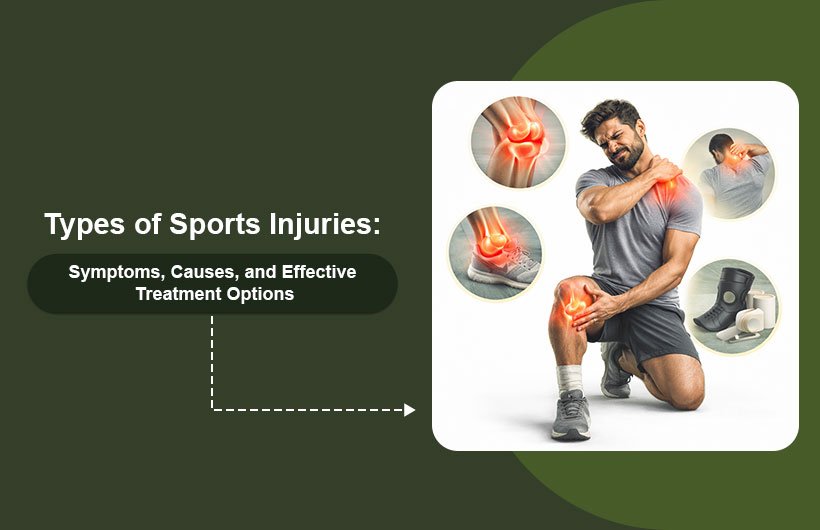
Participating in sports and physical activities is essential for maintaining overall health, fitness, and an active lifestyle. However, injuries can occur when the body is pushed beyond its limits or when proper precautions are not followed. These injuries may affect muscles, bones, ligaments, and tendons, either occurring suddenly or developing gradually due to repetitive strain, impacting both performance and daily life.
Understanding the types of sports injuries and treatment, along with common sports injury symptoms and causes, is important for early recovery and preventing long-term complications. If you are experiencing persistent pain, consulting a trusted Pain Management Clinic in Ahmedabad can help ensure accurate diagnosis, effective treatment, and a faster return to your active routine.
What Are Sports Injuries?
Sports injuries refer to physical damage that occurs during exercise, training, or athletic activities, often leading to pain and limited mobility. These injuries can happen suddenly due to incidents like falls, twists, or collisions, or they may develop gradually because of overuse and repetitive movements. They commonly affect joints and soft tissues, including muscles, ligaments, and tendons. Timely sports injury pain treatment is crucial to prevent further complications and ensure proper healing.
What Are Common Types of Sports Injuries?
Understanding the types of sports injuries and treatment helps in identifying the condition early and taking appropriate action.
Sprains
Sprains occur when ligaments are stretched or torn, usually due to twisting injuries. They commonly affect the ankles, knees, and wrists.
Muscle Strains
Strains involve overstretching or tearing of muscles or tendons, often seen in athletes performing sudden or intense movements.
Fractures
Fractures are breaks or cracks in bones caused by high-impact injuries such as falls or collisions.
Dislocations
A dislocation occurs when a bone moves out of its normal position in a joint, often resulting from trauma or impact.
Tendinitis
Tendinitis is the inflammation of tendons caused by repetitive stress or overuse, commonly affecting the shoulder, elbow, or ankle.
Concussions
A concussion is a mild traumatic brain injury caused by a blow to the head, requiring proper medical evaluation.
Which Body Parts Get Injured the Most in Sports?
Certain body parts are more prone to injury due to repeated stress and movement:
- Knees (ligament injuries and cartilage damage)
- Ankles (sprains and instability)
- Shoulders (rotator cuff injuries)
- Elbows (overuse injuries like tennis elbow)
- Muscles such as hamstrings and calves
These areas often require specialised sports injury treatment for complete recovery.
What Are Common Sports Injury Symptoms?
Recognising sports injury symptoms and causes early can help prevent serious complications.
Common symptoms include:
- Pain in muscles, joints, or bones
- Swelling and bruising
- Restricted movement or stiffness
- Weakness in the affected area
- Difficulty bearing weight
- Visible deformity in severe cases
If symptoms persist or worsen, medical attention is necessary.
What Causes Sports Injuries?
Understanding sports injury symptoms and causes is key to both treatment and prevention.
Common causes include:
- Overtraining without adequate rest
- Poor warm-up or stretching routines
- Incorrect technique or posture
- Accidental falls or collisions
- Lack of proper protective equipment
- Repetitive movements leading to overuse injuries
How Are Sports Injuries Diagnosed?
A Sports Injury Specialist in Ahmedabad will perform a detailed evaluation to determine the severity of the injury. Diagnosis may include:
- Physical examination to assess pain and mobility
- Imaging tests such as X-rays, MRI, or CT scans
- Review of medical and activity history
Early diagnosis ensures effective sports injury treatment and faster healing.
How Do You Treat a Sports Injury?
The choice of sports injury treatment depends on the type and severity of the injury.
RICE Method (Immediate Care)
Rest, Ice, Compression, and Elevation are the first steps to reduce swelling and pain.
Medications
Pain relievers and anti-inflammatory drugs help manage discomfort.
Physical Therapy
Rehabilitation programs improve strength, flexibility, and mobility while preventing future injuries.
Immobilisation
Braces, splints, or casts are used to stabilise injured areas and support healing.
Advanced Treatments
- Injection therapy
- Shockwave therapy
- Regenerative medicine
Surgical Treatment
Surgery may be required in severe cases such as ligament tears or complex fractures.
Medical Care for a Sports Injury
When dealing with a sports injury, seeking timely medical attention is essential—especially if symptoms are severe or not improving. Consulting a sports injury specialist near you ensures access to expert care tailored to your condition. Professional treatment typically focuses on:
- Accurate diagnosis
- Advanced pain management
- Structured rehabilitation programs
- Prevention of recurring injuries
Early and appropriate medical care can significantly improve recovery outcomes and help you return to your daily activities faster and more safely.
What Can I Expect After a Sports Injury?
Recovery time varies depending on the injury:
- Mild injuries may heal within a few days or weeks
- Moderate injuries require rehabilitation and monitoring
- Severe injuries may take months and need advanced treatment or surgery
Following proper sports injury treatment and medical advice is essential for full recovery and preventing re-injury.
A Note from Anamay Pain Clinic
At Anamay Pain Clinic, we are committed to delivering comprehensive and personalized care for individuals dealing with sports injuries. With a strong emphasis on accurate diagnosis and advanced treatment approaches, Dr. Megha Shah ensures that every patient receives the most effective care for a smooth and safe recovery.
If you are experiencing persistent pain or limited mobility, it is important to see a pain management specialist at the right time. Early consultation can help reduce discomfort, restore function, and support your return to an active and confident lifestyle.