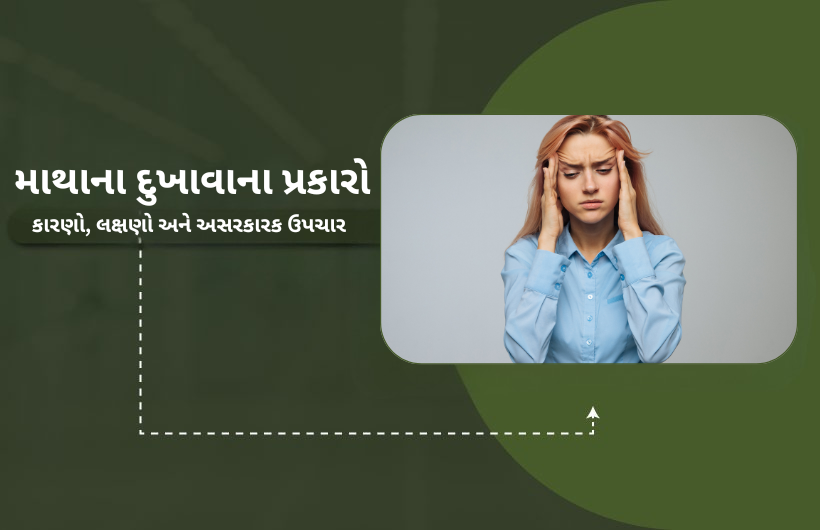

A migraine is more than just a regular headache; it’s a neurological condition that can cause intense, throbbing pain, often accompanied by nausea, vomiting, and sensitivity to light or sound. For many individuals, migraines can disrupt daily activities, work, and overall quality of life. Understanding the causes, symptoms, and available treatments is the first step toward effective relief. At Anamay Pain Clinic in Ahmedabad, Dr Megha Shah, a renowned specialist at this Pain Management Clinic in Ahmedabad, provides advanced, personalised treatments designed to help patients find lasting relief from migraine pain and regain control over their lives.
What Is Migraine?
Migraine is a type of headache disorder characterised by recurrent, severe headaches, usually affecting one side of the head. These headaches can last anywhere from a few hours to several days. Migraines are more than just pain—they are often accompanied by symptoms such as dizziness, fatigue, and difficulty concentrating.
Unlike tension headaches, migraines can be disabling and may significantly interfere with daily activities. The pain is typically pulsating, and some individuals may experience warning signs, such as visual disturbances (aura), before the headache begins.
What Are the Different Types of Migraines?
Migraines can appear in several forms, and identifying the type can help guide the best treatment approach. Common types include:
- Migraine Without Aura:
This is the most common type, marked by moderate to severe headaches, nausea, and sensitivity to light and sound. There are no visual or sensory disturbances before the pain begins. - Migraine With Aura:
Some people experience warning signs such as flashing lights, blind spots, or tingling sensations before the headache starts. These symptoms usually last 20–60 minutes. - Chronic Migraine:
When migraine attacks occur more than 15 days a month for over three months, it is termed chronic migraine. This can severely affect quality of life and require medical attention. - Hemiplegic Migraine:
This rare type of migraine can cause temporary paralysis or weakness on one side of the body, along with visual and sensory disturbances. - Vestibular Migraine:
In this type, dizziness, balance issues, and vertigo are prominent symptoms, even if the headache itself is mild.
Dr Megha Shah emphasises that understanding the type of migraine you experience is essential for developing an effective treatment plan tailored to your symptoms.
What Causes Migraine?
The exact cause of migraines isn’t completely understood, but research suggests they are linked to changes in brain activity, nerve signalling, and blood vessel function.
Some common causes and contributing factors include:
- Genetic predisposition: Migraines often run in families.
- Hormonal fluctuations: Women are more likely to experience migraines due to changes in estrogen levels during menstruation, pregnancy, or menopause.
- Imbalance of brain chemicals: Serotonin and other neurotransmitters play a role in regulating pain.
- Environmental or lifestyle factors: Poor sleep, stress, skipping meals, and dehydration can contribute to migraine attacks.
What Are the Symptoms of Migraine?
Migraines usually progress through four stages, though not everyone experiences all of them:
- Prodrome: Early warning signs appear hours or days before a migraine. Symptoms may include mood changes, food cravings, neck stiffness, and fatigue.
- Aura (in some cases): Visual disturbances like flashing lights or zigzag patterns, tingling sensations, or speech difficulties.
- Headache phase: Intense, throbbing pain usually on one side of the head, accompanied by nausea, vomiting, and sensitivity to light, sound, or smell.
- Postdrome: After the headache subsides, many people feel drained, confused, or sensitive to light for up to a day.
If you often experience these migraine symptoms repeatedly, it’s important to seek medical evaluation for proper diagnosis and treatment.
Common Triggers of Migraine
Identifying what triggers your migraines can help in managing and preventing them. Some common triggers include:
- Stress and anxiety
- Hormonal changes (especially in women)
- Certain foods like aged cheese, chocolate, and processed meats
- Caffeine withdrawal or overuse
- Skipping meals or dehydration
- Strong smells, bright lights, or loud noises
- Lack of sleep or irregular sleep patterns
Keeping a migraine diary can help you recognise and avoid personal triggers more effectively.
How Is Migraine Diagnosed?
Diagnosis is primarily based on your symptoms, medical history, and a physical or neurological examination. Your doctor may ask about the frequency, duration, and characteristics of your headaches.
Sometimes, imaging tests like MRI or CT scans are done to rule out other possible causes of headaches, such as infections or structural abnormalities. At Anamay Pain Clinic, Dr Megha Shah uses a comprehensive approach that includes clinical evaluation and identifying potential triggers to create a personalised treatment plan.
How to Treat Migraine?
While there’s no permanent cure for migraines, several treatment options can significantly reduce the frequency and intensity of attacks. Treatment focuses on two main goals: relieving symptoms and preventing future episodes.
- Acute (Abortive) Treatment:
These treatments aim to stop migraines once it begins. They include:
- Over-the-counter pain relievers such as ibuprofen or paracetamol.
- Prescription medications like triptans or ergotamines to reduce headache pain and symptoms.
- Anti-nausea drugs to manage vomiting and discomfort.
- Preventive (Prophylactic) Treatment:
If you experience frequent or severe migraines, your doctor may suggest preventive medications, including:
- Beta-blockers or calcium channel blockers.
- Antidepressants or anticonvulsants.
- Botox injections or nerve block therapies.
- Lifestyle and Alternative Therapies:
- Maintaining a regular sleep schedule.
- Managing stress through relaxation techniques such as meditation or yoga.
- Staying hydrated and eating balanced meals.
- Physical therapy and acupuncture can also be beneficial in some cases.
At Anamay Pain Clinic, Dr Megha Shah provides the best treatment for migraine using advanced pain management techniques tailored to each patient’s needs for long-term relief.
Prevention Tips for Migraine
- Identify and avoid your triggers.
- Stick to a consistent sleep routine.
- Eat balanced meals at regular intervals.
- Stay hydrated throughout the day.
- Limit caffeine and alcohol intake.
- Engage in regular physical activity and stress management practices.
These small lifestyle changes can go a long way in preventing migraine episodes and improving your overall well-being.
When to See a Doctor
If you experience frequent, severe, or worsening headaches that interfere with your daily life, it’s important to seek professional help. Warning signs that require immediate attention include:
- Headache with sudden, severe pain (“worst headache of your life”)
- Confusion, vision loss, or difficulty speaking
- Weakness or numbness on one side of the body
- Headaches that worsen after a head injury
If you’ve tried home remedies and over-the-counter medications without relief, consult a migraine specialist in Ahmedabad like Dr. Megha Shah at Anamay Pain Clinic. With her expertise in pain management and patient-focused approach, you can find long-term relief and live a migraine-free life.
Conclusion
Migraines are far more than just headaches; they are complex neurological conditions that can significantly impact your daily life, productivity, and overall well-being. Recognising your symptoms early, identifying personal triggers, and receiving the right treatment are essential steps toward lasting relief. At Anamay Pain Clinic, Dr Megha Shah offers expert Migraine & Headache Treatment in Ahmedabad, providing personalised, comprehensive care tailored to each patient’s unique needs. Through advanced diagnostic approaches, lifestyle guidance, and targeted therapies, you can effectively manage your migraines, reduce the frequency and intensity of attacks, and regain full control of your life.