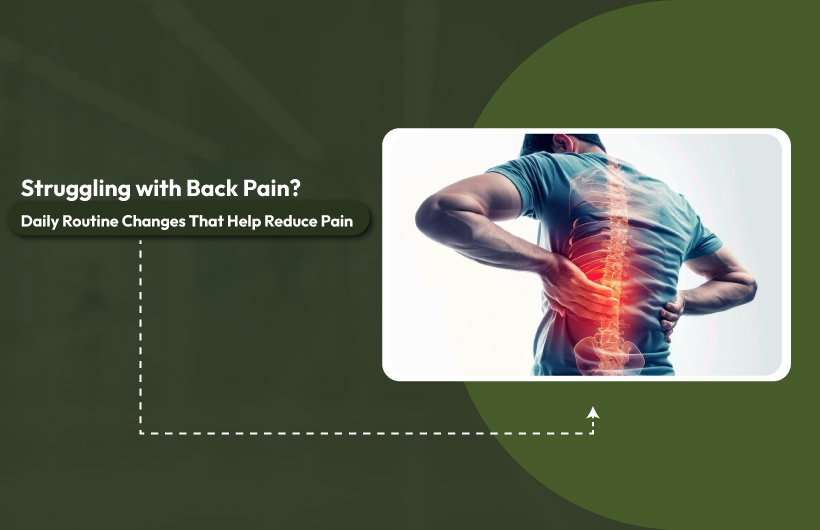
Back pain is no longer limited to older adults or people with physically demanding jobs. Today, it commonly affects office professionals, homemakers, students, and even young adults. Prolonged sitting, poor posture, daily stress, and lack of physical activity have made back pain a part of modern lifestyles. Unfortunately, many people learn to live with the discomfort instead of seeking timely care.
Persistent back pain can disturb sleep, reduce work productivity, affect mood, and lower overall quality of life. The good news is that most back pain can be effectively managed with simple lifestyle changes, correct posture, and guided exercises. At a trusted Pain Management Clinic in Ahmedabad, the focus is on identifying the root cause of pain and providing practical, long-term solutions rather than temporary relief.
In this blog, you’ll learn how small daily habits and the right approach to spine care can help reduce back pain and support a healthier, pain-free life.
Why Has Back Pain Become So Common Today?
Modern lifestyles put a lot of pressure on the spine without us realising it. Sitting for hours on a chair or sofa, looking down at mobile phones, carrying heavy bags incorrectly, and sleeping in awkward positions slowly strain the back muscles.
Another reason back pain becomes persistent is ignoring early warning signs. Mild stiffness or occasional discomfort is often dismissed as “normal,” but over time it can turn into chronic pain. Poor muscle strength, weak core muscles, and lack of flexibility further increase the risk.
According to specialists like Dr. Megha Shah, understanding the cause of back pain is the key to managing it effectively. Instead of only focusing on pain relief, correcting daily habits helps achieve long-term improvement.
What Daily Routine Changes Can Help Reduce Back Pain?
Your daily routine has a bigger impact on your back than you might think. Making mindful changes can significantly reduce strain on your spine.
Sit Smart Throughout the Day
Whether you are working at a desk or sitting at home, posture matters. Keep your back straight, shoulders relaxed, and feet firmly on the floor. Avoid leaning forward or sitting in one position for too long. A small cushion supporting your lower back can also help maintain proper alignment.
Move More, Sit Less
Staying seated for long periods makes back muscles stiff and tired. Take short breaks every half hour. Stand up, stretch lightly, or walk around for a few minutes. These small movements improve blood flow and reduce muscle tightness.
Be Careful While Lifting
Lifting heavy items, the wrong way is a common cause of sudden back pain. Always bend at your knees, keep the object close to your body, and avoid twisting your spine. Even daily activities like picking up groceries or lifting children should be done carefully.
Improve Sleep Habits
Sleeping posture plays an important role in back pain management. Sleeping on your side with a pillow between your knees or on your back with support under the knees helps keep the spine in a natural position. Avoid sleeping on very soft mattresses that lack support.
Control Stress Levels
Stress causes muscle tension, especially in the back and neck area. Simple relaxation techniques like deep breathing, stretching, or spending a few quiet minutes daily can reduce stress-related back pain.
These routine changes may look small, but when followed consistently, they can make a noticeable difference.
Which Back Pain Exercises at Home Are Helpful?
Back pain and lower back pain exercises play a vital role in long-term pain relief and spinal health. You don’t need gym membership or intense workout routines to see results. Simple back pain exercises done at home can gently strengthen your core and back muscles, improve flexibility, and support better posture, helping you manage pain safely and effectively as part of your daily routine.
Knee-to-Chest Stretch
Lying on your back and gently pulling one knee toward your chest helps relax tight lower back muscles. This stretch is especially useful after long sitting hours.
Cat and Cow Movement
This slow, flowing movement helps improve spinal flexibility. It reduces stiffness and keeps the spine mobile, making daily movements easier.
Pelvic Tilt Exercise
This exercise strengthens the muscles that support the lower back. It also helps improve posture and reduce pressure on the spine.
Child’s Pose Stretch
A gentle resting stretch that relaxes the entire back. It helps release tension and calm the body, especially after a tiring day.
Regular Walking
Walking is one of the safest and simplest ways to reduce back pain. A daily walk keeps muscles active, improves circulation, and supports overall spine health.
Under the guidance of a Pain Management Specialist in Ahmedabad, such as Dr. Megha Shah, patients receive personalised exercise plans designed to support safe and effective recovery. Each movement is explained clearly to ensure correct posture and technique, helping prevent further strain or injury. Patients are encouraged to listen to their bodies and stop immediately if any exercise causes pain or discomfort, ensuring long-term relief and improved mobility under expert supervision.
How Can You Stop Back Pain from Returning?
Once the pain improves, prevention becomes important. Many people feel better and return to old habits, which causes pain to return.
To prevent back pain from coming back:
- Stay physically active with light exercises
- Maintain a healthy body weight
- Follow correct posture during daily activities
- Avoid sudden strain or overexertion
- Listen to your body and rest when needed
At Anamay Pain Clinic, patients receive personalised advice to maintain long-term relief and avoid repeated episodes of pain.
When Is It Time to Consult a Doctor for Back Pain?
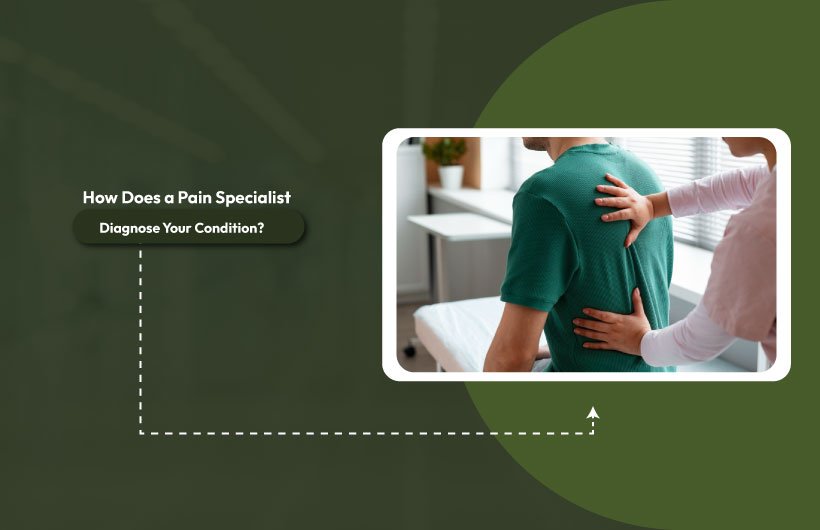
Not all back pain can or should be managed at home. When pain persists for several weeks, worsens over time, radiates to the legs, causes numbness, or interferes with sleep, it signals the need for expert care. This is where the Role of a Pain Management Specialist becomes essential. A specialist evaluation helps accurately identify the underlying cause of pain and create a personalised treatment plan. Dr. Megha Shah emphasises long-term pain relief solutions rather than temporary solutions, enabling patients to regain mobility, comfort, and confidence in their daily lives.
Conclusion
Back pain doesn’t have to become a permanent part of your life. With the right Back Pain Treatment, including timely lower back pain treatment, most people can regain comfort and mobility without relying on short-term fixes. Simple daily habits, correct posture, stress control, and regular back pain exercises at home play a powerful role in long-term relief.
The key lies in consistency and early care. Small, mindful changes practiced every day can protect your spine and prevent pain from returning. At Anamay Pain Clinic, the focus is on personalised back pain treatment plans that help you stay active, confident, and free from constant discomfort.