
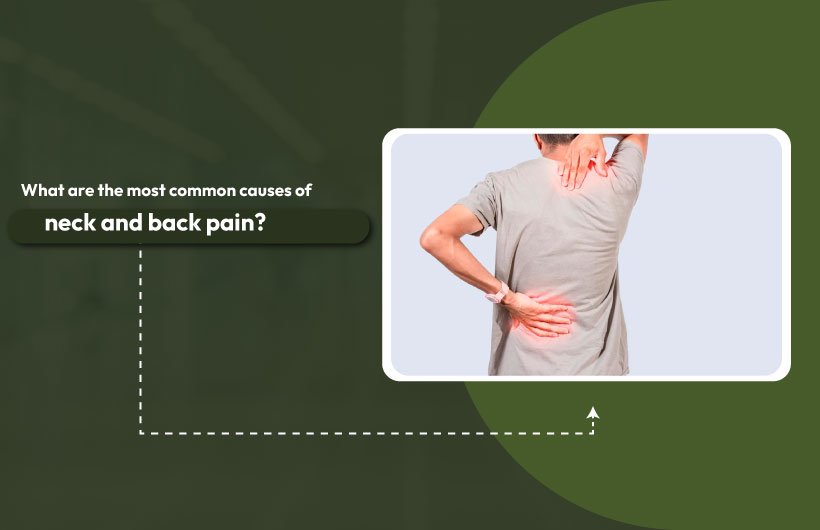
Neck and back pain are some of the most common health concerns affecting people of all ages today. From mild stiffness after long working hours to sudden sharp pain caused by poor posture or heavy lifting, these issues can interfere with daily life if left unaddressed. Understanding why neck and back pain develop is the first step toward finding lasting relief.
At a trusted Pain Management Clinic in Ahmedabad, patients are frequently seen with a wide range of neck and back pain conditions—both acute and chronic. These problems often arise due to modern lifestyle habits, stress, prolonged sitting, lack of physical activity, or underlying medical conditions. Ignoring early symptoms can allow pain to worsen over time, making treatment more complex.
In this blog, we explore the common reasons behind neck and back pain, why these issues are so widespread in modern living, and the role of a pain management specialist in providing effective, lasting solutions. With timely intervention, accurate diagnosis, and personalised pain management strategies, individuals can reduce pain, restore mobility, and significantly improve their overall quality of life—without relying solely on temporary relief methods.
Why Does Neck Pain Happen? What Are the Common Causes of Neck Pain?
Neck pain is a common problem that can vary from slight stiffness to intense discomfort that interferes with daily activities. The neck, medically known as the cervical spine, plays a crucial role in supporting the head while enabling flexible movement in multiple directions. Due to continuous motion, poor posture, prolonged screen time, and daily physical strain, this area is highly vulnerable to stress and injury. Understanding neck pain causes is essential for identifying early symptoms, preventing long-term issues, and choosing the right treatment approach to maintain neck health and mobility.
1) Poor Posture
One of the most common causes of neck pain is poor posture. Many people spend hours looking down at their phones, tablets, or laptops. This puts extra strain on the neck muscles and the cervical spine. Over time, this “forward head posture” can lead to muscle imbalances, stiffness, and pain.
2) Muscle Strain
Repetitive movements or holding your neck in the same position for long periods can strain the muscles. For example:
- Sleeping in an awkward position
- Carrying heavy bags on one shoulder
- Repetitive work tasks
These activities can overstretch or stress the neck muscles, leading to soreness and tightness.
3) Wear and Tear with Age
Just like other parts of the body, the structures in your neck can degenerate over time. Conditions such as osteoarthritis (wear and tear of the joints) and degenerative disc disease (where the cushioning discs between vertebrae weaken) are common in older adults and can cause chronic neck pain.
4) Injuries and Accidents
Sudden injuries, such as whiplash from a car accident or a sports injury, can damage the soft tissues in the neck. These injuries often result in pain, reduced motion, and muscle spasms. Even if symptoms don’t appear immediately after an injury, they can develop later.
5) Nerve Compression
Sometimes neck pain results from pressure on the nerves that exit the spine. Herniated discs (when the soft centre of a spinal disc bulges out) or bone spurs (extra bone growth) can press on nerves, causing pain that may radiate into the shoulders, arms, or hands.
6) Stress and Tension
Emotional stress can lead to tightness in the neck and shoulders. When stressed, muscles tighten and stay in that state for long periods, contributing to chronic neck pain.
What Causes Back Pain? Common Reasons Behind Back Pain
Back pain is a common condition that can affect individuals of any age group, whether it occurs in the lower, middle, or upper back. Much like neck pain and back pain may start as a temporary discomfort but can gradually become a long-term problem if ignored. In today’s fast-paced lifestyle, poor posture, prolonged sitting, lack of physical activity, and daily stress contribute significantly to spinal strain. The good news is that daily routine changes reduce back pain effectively by improving posture, enhancing flexibility, and minimizing pressure on the spine. Simple adjustments in everyday habits can play a crucial role in preventing back pain from becoming chronic and interfering with daily life.
1) Muscle and Ligament Strain
Sudden movements, lifting heavy objects, or even twisting awkwardly can strain the muscles or ligaments in the back. This type of strain can cause immediate pain, stiffness, and sometimes swelling.
2) Poor Posture and Workplace Ergonomics
Much like neck pain, poor posture plays a major role in back pain. Sitting for long hours at a desk without proper support, slouching, or working in a position that forces the back into an unnatural posture can lead to chronic discomfort over time.
3) Disc Problems
The discs in your spine act as shock absorbers. When they degenerate or herniate, they can put pressure on spinal nerves. A herniated lumbar disc (in the lower back) is one of the most common causes of back pain that radiates down the leg, a condition often called sciatica.
4) Age-Related Changes
As we age, spinal structures naturally change. Conditions like spinal stenosis (narrowing of the spinal canal) and osteoarthritis can develop, leading to chronic back pain, stiffness, and decreased mobility. These changes are often gradual and may worsen over time.
5) Excess Weight and Lack of Exercise
Carrying excess weight places extra stress on the spine and supporting muscles. Combined with weak core muscles, this can contribute to pain and make back problems more likely. Regular exercise strengthens muscles that support the spine, helping reduce pain and improve posture.
6) Injuries and Accidents
Back pain can result from traumatic events, such as falls, sports injuries, or motor vehicle accidents. These incidents can cause fractures, sprains, or tears in soft tissues, leading to pain and limited mobility.
7) Underlying Conditions
Some medical conditions can lead to back pain, including:
- Scoliosis (sideways curvature of the spine)
- Fibromyalgia (widespread muscle pain)
- **Kidney stones or infections, which can cause pain referred to the back area
Why Neck and Back Pain Occur Together
It’s not unusual for neck and back pain to occur at the same time. The spine is a connected structure, and issues in one area can affect the others. For example:
- Poor posture can strain both the neck and lower back.
- Muscle imbalances can pull the spine out of alignment.
- Stress and tension often affect muscles along the entire spinal column.
Because of the interconnected nature of spinal health, it’s important to look at posture, lifestyle habits, and daily activities that may be contributing to pain.
When Should You See a Pain Specialist?
Neck and back pain are common, but when discomfort becomes intense or doesn’t improve, it may be a sign of an underlying condition that needs expert care. You should consider it time to See a Pain Management Specialist if you notice any of the following:
- Pain that is severe or lasts longer than a few days
- Pain that spreads to your arms or legs
- Symptoms such as numbness, tingling, or muscle weakness
- Difficulty carrying out routine daily activities
- Little or no relief from medications, rest, or home remedies
A pain management specialist takes a comprehensive approach to identifying the root cause of pain and creating a personalized treatment plan. The goal is not only to relieve discomfort but also to restore mobility, improve daily function, and help you get back to a healthier, more active life.
How Can Pain Be Managed?
Pain management is not just about masking symptoms; it’s about identifying the root cause and treating it effectively. Common approaches include:
- Physical therapy: Exercises to strengthen muscles and improve flexibility
- Posture correction and ergonomic guidance: Helping you adjust daily habits to reduce strain
- Medications: Anti-inflammatory drugs or muscle relaxants when appropriate
- Interventional procedures: Such as nerve blocks or injections for targeted pain relief
- Lifestyle advice: Including weight management, stress reduction, and regular activity
Each treatment plan is tailored to your specific needs and pain patterns.
Final Thoughts
Neck pain and back pain have become increasingly common due to modern lifestyles, poor posture, repetitive strain, and underlying medical conditions. Understanding the root cause of your discomfort is the foundation of effective and long-lasting pain relief. When you know why the pain occurs, you can take informed steps toward the right treatment rather than relying on temporary fixes.
If ongoing pain is affecting your daily activities, consulting a Pain Management Specialist in Ahmedabad can make a significant difference. A specialized pain management clinic focuses on accurate diagnosis and personalized treatment plans to help you regain mobility, reduce discomfort, and improve overall quality of life. With expert guidance and evidence-based care, living a pain-free and active life is an achievable goal.